The Outlook for the US Economy in 2024: Will a Recession Materialize?
Will There Be A Recession in US Economy in 2024?
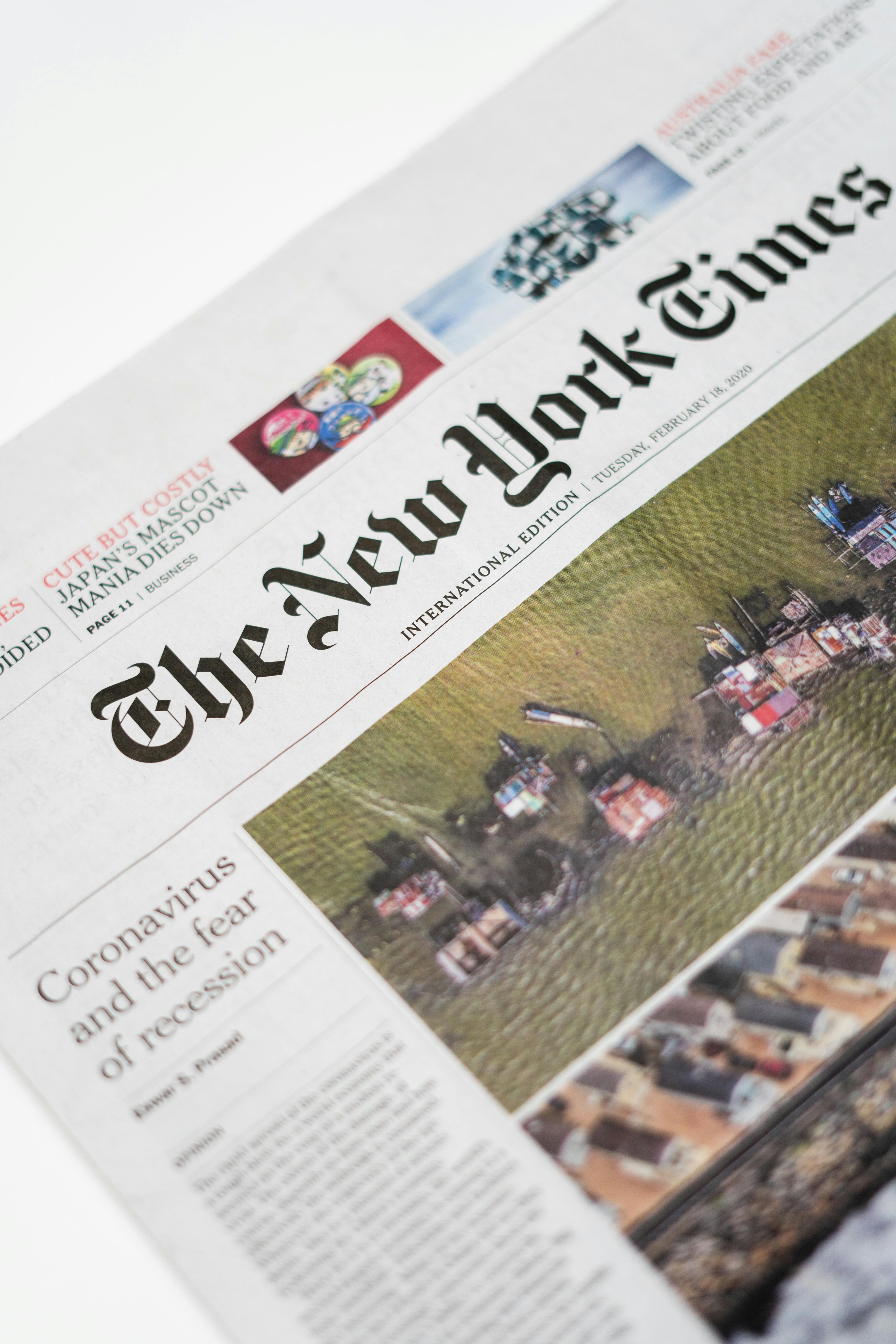
Image Source: Pexels
The US economy has been a topic of intense discussion among economists, investors, and policymakers, with the possibility of a recession looming on the horizon. While initial predictions pointed towards a potential downturn later this year, a growing chorus of experts now suggests that a recession might be delayed until early 2024. In this article, we will delve into the various insights provided by reputable sources to better understand the potential trajectory of the US economy in the coming year.
1. Bank of America CEO’s Revised Prediction
Bank of America CEO Brian Moynihan, who initially projected a recession for this year, has revised his prediction, now stating that the US economy could tip into a recession early in 2024. This adjustment highlights the uncertainty surrounding the timing and severity of a potential downturn.
2. Vanguard Economists’ Mid-Year Outlook
Vanguard economists have also weighed in on the matter, indicating that there is a high probability of a recession, but with the possibility of it being delayed from 2023 to 2024. Their assessment underscores the need for vigilance and careful monitoring of economic indicators in the coming months.
3. JPMorgan Chase Economists’ Warning
JPMorgan Chase economists have expressed concerns about a synchronized global downturn occurring sometime in 2024. This projection highlights the interconnectedness of the global economy and the potential impact of external factors on the US economy.
4. The Recession Prediction Timeline
Recession predictions have undergone significant changes over the past year. Initially, experts anticipated a potential recession in early 2023, driven by the Federal Reserve’s aggressive interest rate hikes aimed at curbing inflation. However, as the economy proved more resilient than expected, the likelihood of a 2023 recession diminished, prompting experts to push their projections further out.
5. The Lag Effect of Fed Rate Hikes
One reason for the difficulty in pinpointing the timing of a recession is the lag between the Federal Reserve’s rate hikes and their impact on the broader economy. Fed Chair Jerome Powell has stated that it takes “a year and change” for rate hikes to fully permeate the economy. With the Fed’s rate hiking cycle commencing in March of the previous year, the effects of these hikes could soon begin to take hold.
6. The Role of Economic Strength
The strength of the US economy in the third quarter of the current year will play a pivotal role in determining whether a recession materializes. If the economy remains robust, the likelihood of a recession in 2024 may diminish. However, it is crucial to maintain a cautious outlook, as the situation is subject to change.
7. Market Indicators: Stock Market vs. Bond Market
When analyzing recession odds, it is essential to consider market indicators. The stock market, which recently entered bull market territory, has shown little indication of an impending economic downturn. Small-cap stocks, often considered domestic economic bellwethers, have joined the market rally, suggesting growing risk appetite among investors.
On the other hand, the bond market tells a different story. The New York Federal Reserve’s recession probability model, which tracks the spread between 3-month and 10-year Treasury yields, indicates a roughly 71% probability of a recession by May 2024. Additionally, the inversion of the two-year and 10-year Treasury yield curves, a historical indicator of recessions, further adds to the concerns.
8. The Impact of El Niño on the US Economy
Aside from internal factors, external events can also influence the US economy. One such event is El Niño, a climate phenomenon characterized by warmer surface waters in the central and eastern Pacific Ocean. The emergence of a strong El Niño could create adverse weather conditions, leading to typhoons, cyclones, and extreme weather events. These disruptions could pose challenges to economic growth and impact various sectors, such as agriculture and transportation.
9. The Long-Term Outlook
Looking beyond the potential recession in 2024, there is hope for future economic improvement. Projections indicate rising trends for US GDP, industrial production, and various industries and markets in 2025. However, it is essential to remain mindful of unforeseen events that could alter these projections.
10. Conclusion: Navigating Uncertainty
In conclusion, the possibility of a recession in the US economy remains a topic of intense speculation and debate. While some experts predict a recession in early 2024, others suggest a potential delay. The timing and severity of a recession are influenced by a plethora of factors, including the Federal Reserve’s actions, market indicators, and external events such as El Niño. As economic uncertainties persist, it is crucial for individuals, businesses, and policymakers to remain adaptable and informed, adjusting strategies as needed to navigate the ever-changing economic landscape.
Note: The information presented in this article is based on expert opinions and projections. It is essential to consult multiple sources and stay updated on the latest economic data to form a comprehensive understanding of the US economy’s outlook in 2024.